
Why Nigerian Businesses Are Losing Customers Without a Website in 2026



February 17, 2025
Et Nunc
Marketing has always been about connecting businesses with customers, but the way we do it has changed dramatically over the years. Think about it—when was the last time you sat through a TV commercial without grabbing your phone?
📊 Did you know? By 2025, over 75% of global ad spend will go to digital channels (Statista).
This shift raises critical questions for businesses:
In this comprehensive guide, we’ll break down:
✅ What digital and traditional marketing really mean
✅ The pros and cons of each approach
✅ How to choose the right strategy for your business
✅ Success stories from global and Nigerian brands
✅ Emerging marketing trends you can’t afford to ignore
Let’s dive in! 🚀
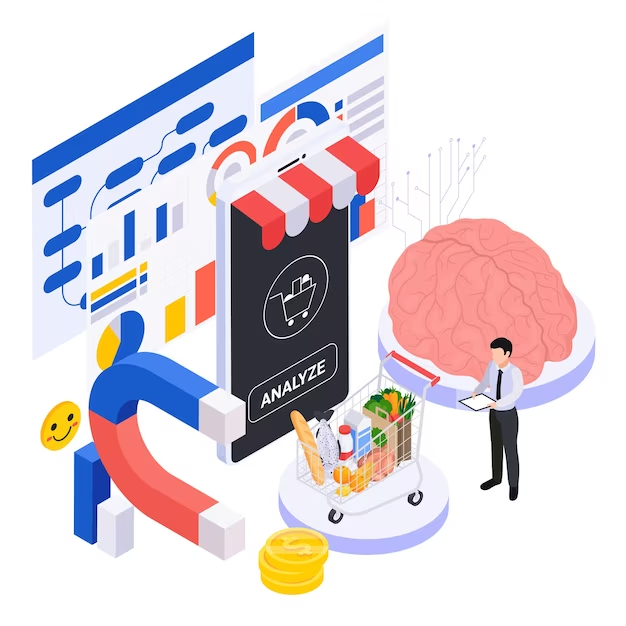
Traditional marketing refers to offline advertising methods like TV, radio, print ads, billboards, and direct mail. These channels have been around for decades and remain effective, especially for mass-market campaigns and local brand awareness.
| Channel | Description | Best For |
|---|---|---|
| 📺 TV Advertising | Commercials aired on national and local TV stations. | Large corporations, mass audiences. |
| 🎙 Radio Advertising | Audio commercials on AM/FM stations. | Local businesses, event promotions. |
| 📰 Print Advertising | Newspaper and magazine ads for targeted readership. | Older demographics, industry-specific markets. |
| 🚏 Billboards & Outdoor Ads | Large-scale ads in high-traffic areas. | Brand awareness, geographic targeting. |
| 📩 Direct Mail | Flyers, brochures, and catalogs mailed to potential customers. | Personalized marketing, targeted promotions. |
| 🎤 Event Sponsorships | Brand visibility through sponsored events. | Community engagement, PR campaigns. |
✅ Pros:
✔️ High Brand Recall – TV and print ads create a stronger memory impact than digital ads.
✔️ Trust & Credibility – Older audiences trust traditional media more than digital sources.
✔️ Reaches Offline Audiences – Effective in regions with low internet access.
❌ Cons:
❌ Expensive – A 30-second TV ad on a major Nigerian station can cost up to ₦2 million per slot.
❌ Difficult to Measure – No real-time tracking of audience engagement.
❌ Limited Interaction – No direct engagement like social media comments or email responses.
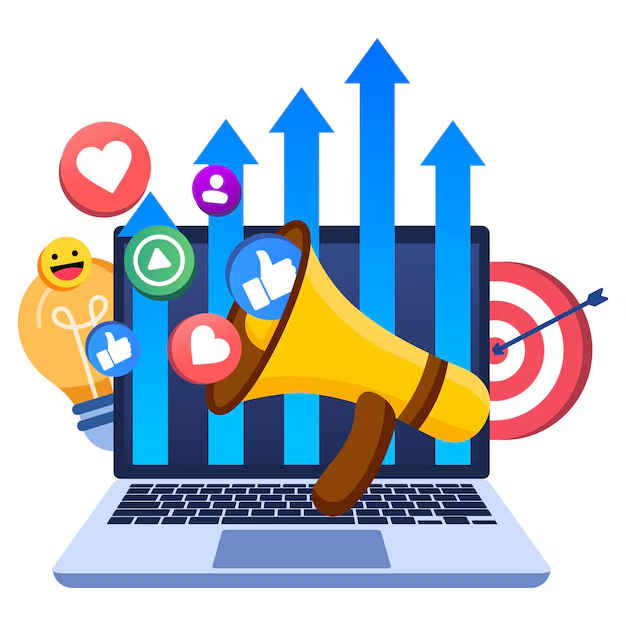
Digital marketing refers to all online marketing strategies using the internet, social media, and search engines to attract, engage, and convert customers. Unlike traditional marketing, digital methods are highly measurable and customizable.
| Channel | Description | Best For |
|---|---|---|
| 📱 Social Media Marketing | Using Facebook, Instagram, LinkedIn, TikTok to engage customers. | Brand awareness, community building. |
| 📝 Content Marketing | Blogs, videos, and infographics that educate & attract customers. | SEO, lead generation. |
| 📩 Email Marketing | Sending targeted emails to leads & customers. | Customer retention, personalized marketing. |
| 🔎 SEO (Search Engine Optimization) | Optimizing websites to rank higher on Google & drive organic traffic. | Website visibility, long-term lead generation. |
| 🎯 PPC (Pay-Per-Click Advertising) | Running paid ads on Google & social media platforms. | Fast lead generation, e-commerce sales. |
✅ Pros:
✔️ More Affordable Than Traditional Advertising – A Facebook ad campaign can cost as little as ₦10,000 per day.
✔️ Highly Measurable – Google Analytics and Meta Business Suite provide detailed tracking of ad performance.
✔️ Enables Customer Interaction – Social media and email marketing create two-way engagement.
❌ Cons:
❌ High Competition – Digital ads face saturation, requiring strong creativity.
❌ Algorithm Changes Impact Visibility – Facebook and Google updates can reduce organic reach overnight.
❌ Requires Continuous Optimization – Digital marketing needs constant monitoring for the best ROI.
While both traditional and digital marketing aim to attract and convert customers, they differ significantly in execution, audience reach, cost, and effectiveness. Let’s break it down side-by-side to help you determine which approach suits your business best.
Traditional marketing is often broad and mass-market focused. Think about TV commercials—you can’t choose exactly who sees them, and you hope they reach the right audience.
Digital marketing, on the other hand, allows precise audience targeting. You can set up an ad campaign that only reaches people in Lagos, aged 25-40, who are interested in real estate and have searched for properties in the last week.
A Facebook ad for the same gym can be shown only to people actively searching for fitness programs, increasing conversion rates.
| Factor | Traditional Marketing | Digital Marketing |
|---|---|---|
| Audience Targeting | Broad and generalized | Hyper-targeted based on demographics, interests, behavior |
| Engagement | One-way communication (TV, radio, billboards) | Two-way interaction (social media, email, comments, reviews) |
🔹 Pro Tip: If your brand targets a niche audience, digital marketing will offer better engagement and conversion rates than traditional methods.
One of the biggest differences between digital and traditional marketing is cost. Traditional marketing, especially TV, billboards, and newspaper ads, requires a huge upfront investment.
📊 Stat: Running a prime-time TV ad in Nigeria can cost between ₦1 million – ₦5 million per slot. A billboard in Lagos can cost ₦500,000 – ₦3 million per month.
In contrast, digital marketing allows businesses to start with a much smaller budget and scale as needed.
| Factor | Traditional Marketing | Digital Marketing |
|---|---|---|
| Cost | Expensive upfront (TV, billboards) | More affordable and scalable |
| Budget Control | Fixed costs, difficult to adjust | Can start small and scale as needed |
🔹 Pro Tip: If you have a limited budget, focus on digital marketing first, then expand to traditional as your business grows.
One of digital marketing’s biggest advantages is real-time tracking and analytics. You can instantly see which ads are performing well, how many people clicked on them, and which ones converted into sales.
📊 Stat: Businesses that track their marketing performance using digital analytics experience a 20% increase in ROI compared to those relying only on traditional methods (Forbes).
Traditional marketing, however, is much harder to measure accurately.
| Factor | Traditional Marketing | Digital Marketing |
|---|---|---|
| Tracking & Analytics | Difficult to measure | Real-time data on impressions, clicks, and conversions |
| ROI Optimization | Fixed and harder to adjust | Campaigns can be optimized based on performance |
🔹 Pro Tip: If you want better control over marketing results, digital campaigns provide more transparency and flexibility.
Marketing trends change fast, and businesses need to adapt quickly. This is where digital marketing wins.
| Factor | Traditional Marketing | Digital Marketing |
|---|---|---|
| Speed of Execution | Takes weeks/months to launch campaigns | Can launch campaigns in minutes/hours |
| Flexibility | Hard to adjust after launch | Can tweak and optimize in real-time |
🔹 Pro Tip: Businesses that frequently update their offers (e.g., e-commerce, restaurants, seasonal products) should prioritize digital marketing for faster adjustments.
For years, Coca-Cola dominated traditional advertising with TV commercials, billboards, and event sponsorships. However, as digital marketing grew, the company realized it needed to evolve.
What They Did:
✅ Launched the #ShareACoke campaign, encouraging customers to personalize Coke bottles and share them on social media.
✅ Shifted advertising budget toward YouTube ads, influencer marketing, and social media engagement.
✅ Created interactive video ads that allowed customers to customize their messages.
📊 Result:
Glo, one of Nigeria’s leading telecom brands, uses a combination of traditional and digital marketing to maintain its dominance.
What They Did:
✅ Traditional Marketing:
✅ Digital Marketing:
📊 Result:
The marketing world is constantly evolving, and brands that fail to adapt will struggle. Here are some game-changing trends shaping the future of marketing.
AI is revolutionizing marketing by making it more personalized, data-driven, and efficient.
✅ Chatbots & Virtual Assistants → Businesses like Kuda Bank use AI chatbots for instant customer service.
✅ AI-Powered Ads & Content → AI can now generate ad copy, blog posts, and product recommendations based on customer behavior.
📍 Example: Netflix uses AI-powered content recommendations, increasing engagement by 80%.
Customers expect a seamless experience across multiple platforms—website, social media, email, and even in-store.
✅ Nike’s Omnichannel Strategy → Customers can browse online, check product availability in-store, and complete purchases via mobile.
✅ Domino’s Pizza Click-to-Order → Customers can order via website, mobile app, or smart devices.
🔹 How to Implement Omnichannel Marketing:
✔️ Ensure consistent branding & messaging across all platforms.
✔️ Use QR codes in print ads to drive traffic to your website.
✔️ Integrate social media, email, and SMS marketing into one streamlined experience.
Short-form videos on TikTok, Instagram Reels, and YouTube Shorts are now the most engaging type of content.
📊 Stat: 86% of businesses use video marketing, and 72% of consumers prefer learning about a product via video (Wyzowl).
✅ Zaron Cosmetics (Nigeria) → Uses Instagram Live makeup tutorials to drive product sales.
✅ PiggyVest (Nigeria) → Creates TikTok financial education content, simplifying personal finance for young Nigerians.
🔹 How to Leverage Video Marketing:
✔️ Create how-to videos, product demos, and testimonials.
✔️ Use live streaming for real-time audience engagement.
Marketing is constantly evolving, and businesses that adapt quickly will stay ahead. Whether you prefer digital, traditional, or a hybrid approach, the key is to track results, optimize, and engage your audience effectively.
📌 What’s your marketing strategy for 2025? Are you adapting to AI, video marketing, and omnichannel strategies? Let’s discuss in the comments! 🚀
📌 Need expert guidance? Book a free consultation today!