Understanding the 4 Ps of Marketing: A Strategic Guide for Business Growth
February 13, 2025
Et Nunc
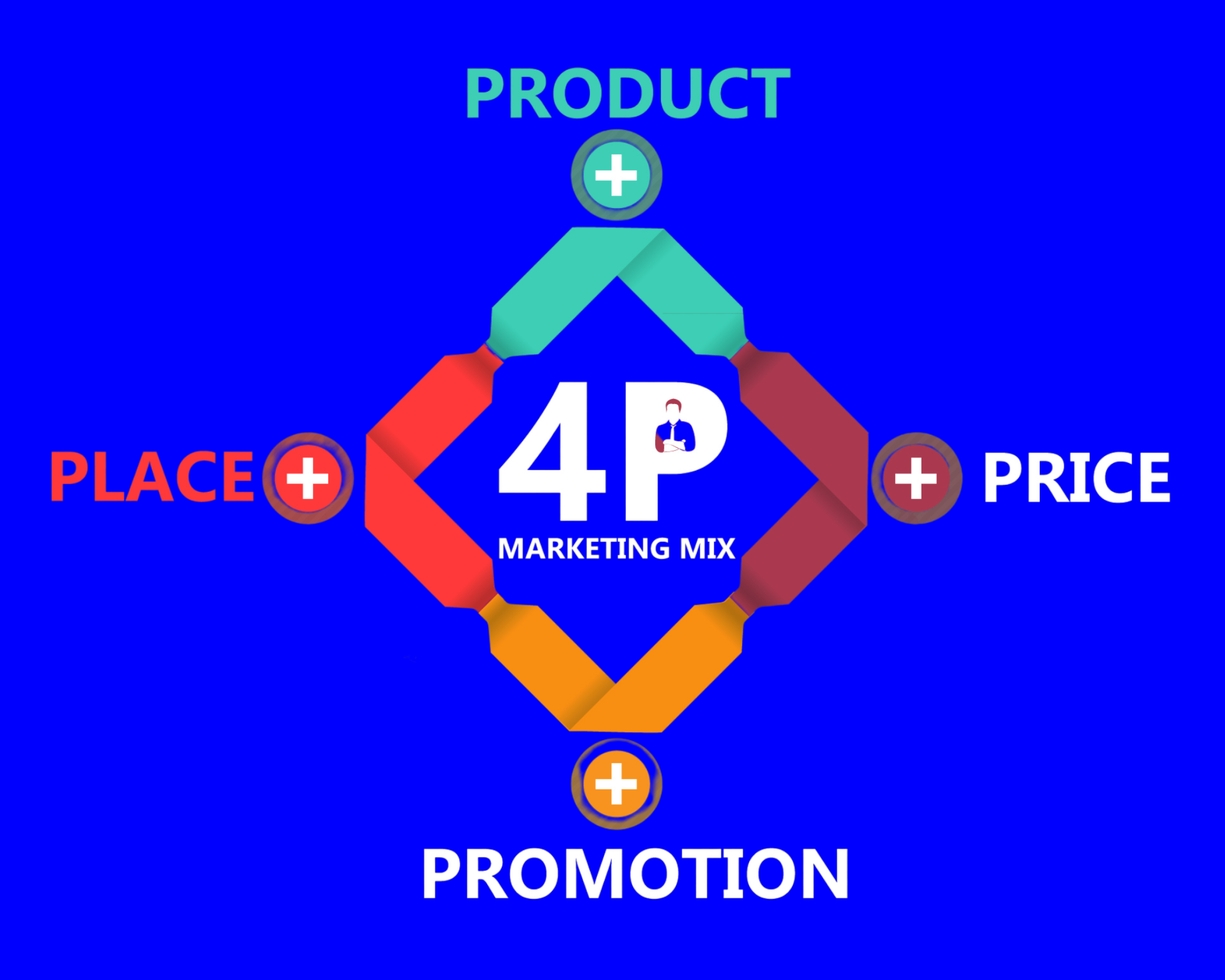
Marketing is both an art and a science. The businesses that thrive aren’t just lucky—they master the strategic principles that drive customer demand and long-term success. One of the most effective frameworks for this is the 4 Ps of Marketing: Product, Price, Place, and Promotion.
This framework has been around for decades, but in today’s digital-first world, its application is more dynamic than ever. Companies that understand how to apply these four elements effectively increase their customer engagement by 35% and improve brand recognition significantly.
So, how do you leverage the 4 Ps to position your business for success? Let’s break it down.
What Are the 4 Ps of Marketing?
The 4 Ps of Marketing, also known as the Marketing Mix, are the essential components that determine how businesses develop, price, distribute, and promote their products. These elements work together to create a strategic approach to capturing and retaining customers.
Each P plays a crucial role in creating a compelling offer and optimizing customer experience. Now, let’s take a deeper dive into how to leverage each one.
1. Product: Creating an Offer That Stands Out
A product isn’t just something you sell—it’s a solution to a problem. Whether it’s a physical good, digital service, or subscription model, its success depends on how well it meets the needs of its target audience.
Key Strategies for Developing a Winning Product
Market Research: Before launching anything, research what customers want. A McKinsey study found that 42% of product launches fail because they don’t address a real need.
Unique Selling Proposition (USP): What sets your product apart? It could be better quality, affordability, innovation, or customer service.
Branding and Storytelling: People buy emotions, not just products. Apple doesn’t sell technology—it sells creativity and status.
Case Study: Apple’s Product Ecosystem
Apple’s success isn’t just about iPhones. They created an interconnected ecosystem that keeps users loyal.
Integration: iPhones, iPads, MacBooks, and Apple Watches all work seamlessly together.
Customer Lock-in: Switching from Apple feels inconvenient, reinforcing brand loyalty.
Perceived Value: Apple’s pricing is premium, yet customers perceive the products as worth it due to innovation and brand prestige.
If your product lacks a strong differentiator, it will struggle to compete. Define what makes yours unique and build an experience around it.
2. Price: Finding the Perfect Balance Between Value and Profitability
Pricing is more than a number—it’s a psychological trigger that affects how customers perceive your brand. A price that’s too high might scare customers away. A price that’s too low might make them question your quality.
Popular Pricing Strategies and When to Use Them
Cost-Plus Pricing: Adds a fixed markup to production costs. Best For: Retail businesses ensuring steady profits.
Value-Based Pricing: Prices based on perceived value rather than costs. Best For: Luxury brands and specialized services.
Penetration Pricing: Starts low to gain market share, then increases. Best For: New businesses disrupting a competitive market.
Premium Pricing: Sets prices high to create exclusivity. Best For: High-end fashion, electronics, and luxury brands.
Freemium Pricing: Offers a free basic version and charges for upgrades. Best For: Software companies like Spotify and LinkedIn.
Decoy Pricing: Introduces a third, unattractive pricing option to push customers toward a more profitable choice. Best For: Subscription-based businesses like Netflix and SaaS platforms.
Case Study: Netflix’s Smart Pricing Evolution
Netflix entered the market with penetration pricing, offering an affordable streaming service to compete with cable TV. Over time, they shifted to value-based pricing, increasing costs while justifying the price with exclusive content, personalized recommendations, and ad-free viewing.
A well-crafted pricing strategy can make or break a business. Test different pricing structures, analyze customer behavior, and adjust accordingly.
3. Place: Getting Your Product in Front of the Right Audience
Where and how customers buy your product directly affects sales and brand perception. The right distribution strategy ensures that customers can easily access what you offer.
Key Distribution Channels and When to Use Them
Direct-to-Consumer (DTC): Selling directly through your website or physical store gives you full control over branding and customer experience.
Retail Partnerships: Placing your product in large retail chains boosts visibility but may reduce margins.
E-commerce Platforms: Amazon, Etsy, Jumia, konga, and Shopify provide global reach with lower operational costs.
Omnichannel Strategies: Combining online and offline experiences enhances customer convenience.
Case Study: Nike’s Omnichannel Strategy
Nike doesn’t just sell sneakers—they dominate every channel.
Flagship Stores: Exclusive experiences for loyal customers.
E-commerce: Global accessibility through their website.
Third-Party Retailers: Partnerships with stores like Foot Locker maximize market reach.
Consumers expect convenience. If your product isn’t easily accessible, potential customers will buy from competitors.
4. Promotion: Driving Awareness and Sales Through Smart Marketing
Promotion isn’t just about running ads—it’s about telling a story that connects with your audience. The goal is to build trust, attract attention, and convert that interest into sales.
Key Promotion Strategies
Content Marketing: Providing valuable content (blogs, videos, guides) positions you as an expert in your industry.
Social Media Advertising: Platforms like Instagram and TikTok are powerful for brand visibility.
Influencer Marketing: Collaborating with influencers builds credibility and trust.
Email Marketing: Personalized email campaigns drive high engagement and conversions.
Case Study: Coca-Cola’s Storytelling Strategy
Coca-Cola doesn’t just sell soda—it sells happiness, connection, and nostalgia.
Emotional Storytelling: Their ads focus on bringing people together.
Consistent Branding: Their red-and-white color scheme is globally recognized.
Seasonal Campaigns: Limited-edition holiday packaging creates urgency and excitement.
An effective promotion strategy builds long-term relationships with customers. Great products don’t sell themselves—strategic marketing makes the difference.
Implementing the 4 Ps in Your Business Strategy
Ready to apply the 4 Ps? Here’s a quick action plan:
Evaluate Your Product: Does it solve a real problem? How can you differentiate it?
Optimize Your Pricing: Are you maximizing profitability while remaining competitive?
Refine Your Distribution Strategy: Are customers able to purchase your product easily?
Strengthen Your Promotion Plan: Are you reaching the right audience with the right message?
Mastering the 4 Ps isn’t about luck—it’s about strategy. Small tweaks in your marketing mix can create significant business growth.
Want to dive deeper? Explore our Marketing Strategy Services to craft a winning marketing plan for your business.
What’s Your Next Move?
If you could improve just one of the 4 Ps in your business today, which one would it be? Share your thoughts below. Let’s discuss how to build a stronger marketing strategy together.